<h1>Enterolobium Ear Tree: All You Need to Know</h1>

<h2>Enterolobium Ear Tree Info</h2>

<p>Have you ever heard of the Enterolobium ear tree? This beautiful and unique tree is native to Central and South America and is known for its distinctive ear-shaped seed pods. But there's so much more to this tree than just its appearance! In this article, we'll take a closer look at the Enterolobium ear tree, exploring its physical characteristics, habitat, uses, and more.</p>

<h2>Physical Characteristics of the Enterolobium Ear Tree</h2>

<h3>Size and Shape</h3>

<p>The Enterolobium ear tree is a large, spreading tree that can grow up to 100 feet tall and 70 feet wide. Its crown is wide and flattened, providing ample shade for those seeking relief from the hot sun. Additionally, the tree has a distinctive shape, with a straight trunk and branches that extend horizontally and then curve downward toward the ground.</p>

<h3>Bark and Leaves</h3>

<p>The bark of the Enterolobium ear tree is thick and rough, with deep grooves and ridges that give it a rugged appearance. The leaves are composed of many small leaflets that give them a feathery texture. They are arranged in a pinnate pattern, with multiple pairs of leaflets on either side of a central stem.</p>

<h3>Seed Pods</h3>

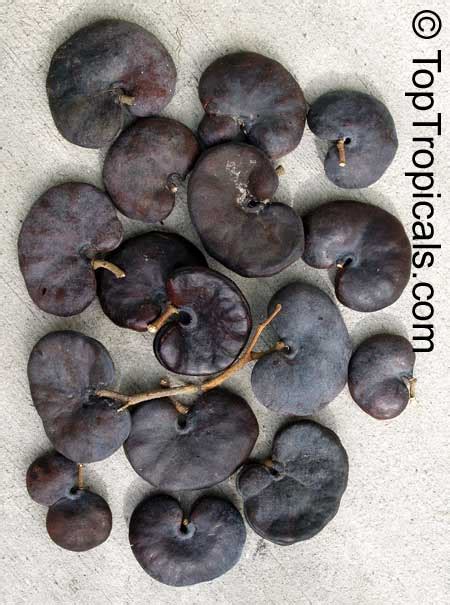
<p>Perhaps the most distinctive feature of the Enterolobium ear tree is its seed pods. These pods are large and flat, with a shape that resembles an ear or a horseshoe. They can grow up to 7 inches long and 5 inches wide and are green when young, turning brown as they mature. Inside each pod are several small seeds that are surrounded by a sweet, edible pulp.</p>

<h2>Habitat and Distribution</h2>

<h3>Native Range</h3>

<p>The Enterolobium ear tree is native to Central and South America, where it can be found in tropical and subtropical regions. It is particularly common in Brazil, Mexico, and Peru, but can also be found in other countries throughout the region.</p>

<h3>Habitat</h3>

<p>The Enterolobium ear tree grows best in areas with abundant rainfall and plenty of sunshine. It can thrive in a variety of soil types, including sandy, loamy, and clay soils. The tree is often found near rivers and streams, as it requires a consistent source of water to survive.</p>

<h2>Uses of the Enterolobium Ear Tree</h2>

<h3>Food</h3>

<p>The pulp inside the Enterolobium ear tree's seed pods is sweet and edible, making it a popular snack in some parts of Central and South America. The seeds themselves can also be roasted and eaten.</p>

<h3>Medicine</h3>

<p>The bark and leaves of the Enterolobium ear tree have been used for medicinal purposes in some traditional cultures. They are said to have anti-inflammatory and pain-relieving properties, and may be effective in treating conditions such as arthritis and skin infections.</p>

<h3>Timber</h3>

<p>The wood of the Enterolobium ear tree is strong and durable, making it a valuable source of timber. It is often used to make furniture, flooring, and other high-quality wood products.</p>

<h3>Ornamental</h3>

<p>Finally, the Enterolobium ear tree is prized for its ornamental value. Its distinctive shape and large size make it a popular choice for landscaping and shade in parks and other public spaces.</p>

<h2>Growing and Caring for the Enterolobium Ear Tree</h2>

<h3>Planting</h3>

<p>If you're interested in growing an Enterolobium ear tree, it's important to select a sunny location with well-draining soil. The tree can be propagated from seed, which should be planted in the spring after the last frost. Water the tree regularly, particularly during the first few years of growth.</p>

<h3>Pruning</h3>

<p>To keep your Enterolobium ear tree healthy and looking its best, it's important to prune it regularly. Remove any dead or damaged branches, as well as any branches that are crossing or rubbing against each other. Pruning should be  in late winter or early spring, before new growth begins.</p>

<h3>Pest Control</h3>

<p>The Enterolobium ear tree is relatively pest-resistant, but may be affected by some common issues such as scale insects or caterpillars. If you notice signs of infestation, consult with a professional arborist to determine the best course of treatment.</p>

<h2>Interesting Facts About the Enterolobium Ear Tree</h2>

<h3>#1: The Enterolobium ear tree is also known by several other names, including the monkeypod tree, the rain tree, and the earpod tree.</h3>

<p>It's not just its ear-shaped seed pods that make the Enterolobium ear tree distinctive - it goes by a variety of names depending on where you are in the world. In addition to the names listed above, it is also sometimes called the saman tree or the inga tree.</p>

<h3>#2: The Enterolobium ear tree is a member of the pea family.</h3>

<p>Despite its size and unique appearance, the Enterolobium ear tree is actually part of the legume family. This means that it is related to other plants like beans, peas, and peanuts.</p>

<h3>#3: The Enterolobium ear tree can fix nitrogen in the soil.</h3>

<p>Like other legumes, the Enterolobium ear tree has the ability to fix nitrogen in the soil. This means that it can take nitrogen from the air and convert it into a form that can be used by plants growing nearby.</p>

<h2>FAQs About the Enterolobium Ear Tree</h2>

<h3>Q1: Is the Enterolobium ear tree easy to grow?</h3>

<p>A1: Yes, the Enterolobium ear tree is relatively easy to grow as long as you have a sunny location with well-draining soil.</p>

<h3>Q2: Can you eat the seeds of the Enterolobium ear tree?</h3>

<p>A2: Yes, the seeds of the Enterolobium ear tree can be roasted and eaten.</p>

<h3>Q3: How tall does the Enterolobium ear tree grow?</h3>

<p>A3: The Enterolobium ear tree can grow up to 100 feet tall.</p>

<h3>Q4: What is the best time to prune an Enterolobium ear tree?</h3>

<p>A4: It's best to prune an Enterolobium ear tree in late winter or early spring, before new growth begins.</p>

<h3>Q5: Where can I buy an Enterolobium ear tree?</h3>

<p>A5: You may be able to find an Enterolobium ear tree at a local nursery or garden center. Alternatively, you can purchase seeds online and grow your own tree from scratch.</p>
Post a Comment for "Enterolobium Ear Tree: All You Need to Know"